
Drop-the-boss review for UK players, RTP, stakes, and max win facts

Stake-exclusive, crash-style casino title by Mirror Image Gaming, Drop The Boss, runs on a 96% theoretical RTP with high volatility and a headline max win of 5,000x. In the drop the boss experience, rounds play out as physics-based falls rather than reel spins, so every cashout decision matters. The drop the boss game supports stakes from £0.10 to £1,000 per round, though UK-licensed sites must still respect per-spin slot limits based on player age. Multipliers can reach up to 5,000x when the boss hits the top award zones, so a £1 stake landing at 500x would still return £500. Max exposure is constrained by table limits, operator payout caps, and your own bankroll rules. Play responsibly, set limits in advance, and never chase losses; Drop The Boss remains available only to 18+ players in regulated markets.
What the drop-the-boss game is and who built it
Drop-The-Boss is a crash-style arcade release where a rising multiplier can fall at any moment, ending the round. Players choose a stake, watch the meter climb, and cash out before the collapse to lock profits. The theme leans into office satire with a slapstick boss character and punchy physics animation. Mirror Image Gaming built the title and partnered with Stake for a timed exclusive launch window. The studio lists a 96% theoretical RTP and high volatility, matching the risk-reward profile crash fans expect. Transparent round histories and clean UI target fast, mobile-first sessions. Many players are watching for the drop the boss game ahead of launch.
Mirror Image Gaming studio profile and Stake exclusive deal
Mirror Image Gaming operates as an independent developer focused on rapid, session-based arcade mechanics. The team builds lightweight HTML5 titles designed to load instantly and run smoothly on modern browsers. For Drop-The-Boss, the studio agreed a timed exclusivity window with Stake, ensuring first access for registered players on that platform. Commercial terms are undisclosed, but the arrangement typically covers marketing placement, tournaments, and early telemetry. A broader multi-operator release may follow once the window closes. Compliance notes indicate published math with a 96% RTP and high volatility. This helps set player expectations around risk and pacing. Many reviewers discuss drop the boss casino in previews.
Release date and core stats from official listings
Official listings show a planned release date of 28 June 2025, subject to scheduling and certification. The core math advertises a 96% RTP with high volatility and a headline max win of 5,000x. Stakes are configurable from 0.10 to 1,000 per round, with the on-site currency display adapting to account settings. As a crash or burst game, the multiplier rises in real time until the round terminates, so early cashouts are crucial. Stake is slated to host the first rollout under its exclusive window. Early watchers search drop the boss to track updates. Figures may be adjusted before or after launch if balancing requires it.
| Metric | Value | Notes |
|---|---|---|
| Provider | Mirror Image Gaming | Timed Stake exclusive at launch |
| Release date | 28 June 2025 | Subject to scheduling and certification |
| Game type | Crash or burst | Multiplier climbs until round ends |
| RTP | 96% | From official listings |
| Volatility | High | Expect long droughts with rare peaks |
| Max win | 5,000x | Max exposure may be platform-limited |
| Bet range | £0.10–£1,000 per round | Currency display depends on account settings |
How drop-the-boss casino rounds work and when to cash out
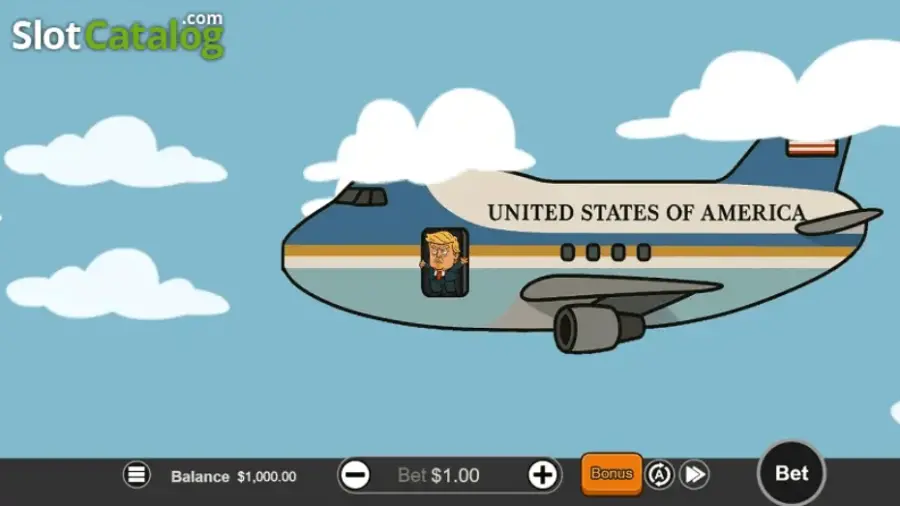
Rounds in Drop The Boss start when you pick a stake, optionally switch on Ante Bet or Chaos Mode where available, and confirm the wager. The boss is then launched from the aircraft and begins to fall through clouds, satellites and award zones, collecting distance, flips, coins, Mega Hats and K-Hole multipliers that build your coefficient in real time. Crash events like an engine pull-in or an eagle can end the round instantly, so the decision is when to cash out before the fall stops. Specific landing zones such as Truck, Chump Towers, Golden Tee, Second Best Friend and the White House apply fixed or boosted multipliers to the run at the end. Many UK sites display round history and recent maximum multipliers so you can gauge pace. The format is featured across drop the boss casino lobbies with RTP typically around 96% and high volatility.
Step by step round flow from drop to finish
First, you choose your stake and, where supported, decide whether to enable Ante Bet or Chaos Mode before confirming the bet. When the round begins, the boss is pushed from the plane and starts to fall, gaining +1x per metre travelled while collecting coins, Mega Hats and flips that add extra multiplier value on the way down. A K-Hole trigger can send the boss through a short space sequence with an additional 1x–11x boost before he returns to the main fall. The round ends either when a crash event such as the engine or an eagle stops the run or when the boss reaches the ground and hits a landing zone like Truck, Chump Towers, Golden Tee, Second Best Friend or the White House with its fixed 5,000x award. Your payout equals the original stake multiplied by the final coefficient at cashout or landing. You can play the same format on drop the boss online tables.
Controls and settings players adjust during live rounds
Most Drop The Boss layouts keep the main controls on a single bar so you can react quickly without clutter. The bet slider or plus/minus buttons let you fine-tune your stake or jump between preset values. A dedicated Bonus button opens the buy-bonus menu where you can enable Ante Bet x5 or Chaos Mode x100 where permitted. Auto and Turbo options can run multiple rounds hands-free or speed up animations, while an auto cash-out setting lets you define a target multiplier and exit the round automatically when it hits. History and round stats show recent peak multipliers and landing zones so you can see how volatile recent sessions have been. Sound and vibration switches help you focus on the fall. The interface is nearly identical
- Bet Slider And Preset Chips.
- Auto Cash‑Out Target Multiplier.
- Autoplay With Win/Loss Limits.
- Manual Cash‑Out Button During Play.
- Round History And Stats Panel.
- Video Quality, Latency, And Mute Toggles.
Use these tools to set boundaries, react faster, and keep the stream stable.
Drop-the-boss RTP volatility and payout rhythm explained clearly
RTP describes the long‑term share of wagers a slot returns to players, while volatility explains how bumpy that journey feels from spin to spin. A 96% RTP with low volatility pays in smaller, steadier pulses, whereas high volatility clusters rewards into fewer, heavier hits. Hit rate, paytable weight, and feature frequency work together to form the payout rhythm you actually experience over a session. In discussions of drop the boss, players often ask how RTP guides expectations. The answer is that RTP shapes the destination, but volatility decides the route. Over thousands of spins outcomes trend toward the percentage, yet short sessions can swing widely, particularly when features carry most of the game’s expected value.
RTP values shown on Stake and in game databases
On Stake, most studio slots display RTP inside the information panel, usually behind the “i” icon or help menu. The value is expressed as a theoretical percentage calculated over an extremely large cycle and does not predict short‑term results. As of 2025, many providers ship configurable profiles, so you may see 96.0%, 95.0%, or 94.0% versions depending on jurisdiction and contract. Independent databases and provider specification sheets list the official ranges and sometimes the hit frequency. Before you spin, check the info panel for the drop the boss game to see its theoretical return. If multiple profiles exist, the on‑site game menu takes precedence over third‑party listings for accuracy.
How high volatility changes win frequency over time
High volatility reduces hit frequency in the short run while pushing more of the return into rarer, larger payouts. That means longer dry spells, punctuated by features or jackpots that carry substantial expected value. Over thousands of spins, the average return can still converge toward the RTP, but the path is choppy, with pronounced downswings and quick recoveries when bonuses land. Bankroll planning and stake sizing matter more for high‑variance titles because distribution tails are heavier. In a drop the boss casino session, you may see fewer small line wins but bigger feature spikes. Tracking hit rate and bonus cadence helps set realistic session boundaries.
Stake sizes and drop-the-boss stake planning for GBP sessions

Session stakes work best when they follow your budget, volatility tolerance, and the table or slot limits imposed by UK-licensed operators. For online slots, typical base stakes run from £0.10 to a few pounds, while high-variance titles often feel safer at smaller unit sizes. Live blackjack and roulette lobbies usually start around £1–£5 minimums, with VIP tables stretching to four figures. After the 2025 stake-limit change, online slot stakes in Great Britain are capped per game cycle at £5 for adults 25+ and £2 for players aged 18–24, which directly shapes pacing. Map a ladder for feature hunting rather than jumping erratically between sizes. Set a clear buffer for feature attempts and plan a realistic drop the boss stake that fits your session bankroll within these limits. Keep increments small and pre-agreed to avoid tilt.
Official min and max wager limits and what they mean
UK operators publish minimum and maximum wagers per lobby, but two layers matter: site rules and game provider rules. For online slots, the Government’s 2024 update caps per‑spin stakes at £5 for adults 25+ and £2 for 18–24s after verification. Live roulette may offer £0.50–£5 minimums with table maximums from £1,000 to £10,000, while blackjack commonly ranges between £1 and £2,500. Side bets and jackpots often carry their own, tighter caps or eligibility minima. These limits shape pace, variance, and how quickly you realise RTP across sessions. Respect the spread and pre-plan stake steps before feature hunts. Keep drop the boss attempts bounded by the same rules.
Bankroll checklist for £ play with safer session rules
Treat your bankroll as finite session fuel and decide rules before the first wager. A common anchor is a 1–2% unit size per spin or hand, trimming to 0.5% on volatile slots. Pre‑set a 30–40% stop‑loss and a realistic win cap, then honour them regardless of mood. Time‑box play into 30–60 minute blocks and schedule breaks with reality checks enabled. Keep autospins conservative so losses can’t snowball unseen. Adjust stake steps only at pre‑agreed checkpoints, never after a near‑miss. Match stake to variance and table spread, not to outcomes. Test new mechanics in demo where available. The drop the boss game benefits from the same discipline.
- Set a session budget you can afford to lose, then divide it into 100 equal units.
- Choose a base unit near 1% of bankroll; cut to 0.5% for high‑variance titles.
- Define a 35% stop‑loss, a realistic win cap, and a 45–60 minute time limit.
- Check table min/max and age‑based slot caps, then map a small step ladder.
- Log outcomes and adjust the next session’s unit size if bankroll shifts by 25%.
Taken together, these controls let you tune how aggressive or conservative your drop the boss game sessions feel: smaller stakes with Standard mode and no bonus buys keep variance lower, while higher stakes, Turbo, and frequent use of Ante Bet or Chaos Mode sharply increase volatility and the speed at which your bankroll moves, so always align settings with your budget and risk tolerance.
Drop-the-boss max win and feature events that boost outcomes
Operator pages and database summaries consistently frame the cap as a multiplier-based ceiling tied to stake, not a fixed cash amount. Most lobbies highlight volatility as high, with surges driven by stacked multipliers and on-the-fly event modifiers. Feature bursts, such as escalating tiers and hazard clears, tend to cluster wins rather than drip-feed them. Help screens typically clarify that the prize limit is enforced by the game logic and the operator’s payout policy. Most reviews summarise the drop the boss max win as a headline figure presented in “x” terms. Practical results vary by session length, stake boundaries, and whether optional modes are enabled. Read the in-game info panel for the current cap wording.
Max win multiplier and how it is stated in sources
Major lobbies and tracking sites usually state the top exposure as an “up to” multiplier, with the figure mirrored in the rules page and the game’s paytable section. Some operators add a separate payout cap policy, which can constrain the theoretical ceiling for single-round outcomes. Databases often note that the cap may be unreachable without feature pacing aligned in multiple steps. The rules page will also specify what counts as a qualifying round for maximum payout scenarios. Always cross-check the operator note against the studio’s help text before assuming hard limits. Review pages usually tag it under the title drop the boss game to keep naming consistent across indexes.
Chaos mode and Fortune Engine hazards worth recognising
Chaos mode is typically presented as a high-volatility variant that removes some guardrails and increases exposure to rapid swings. It tends to amplify multipliers while allowing longer droughts between notable hits. The internal Fortune Engine schedules hazards that can reduce progress, reshuffle states, or force a round to resolve early. Hazards might wipe low tiers, gate higher levels, or nudge the risk curve mid-sequence. Operators that label these clearly will list what gets added, removed, or intensified when Chaos mode is on. The toggle does not change stated RTP in most lobbies, but it changes pacing. Some promos refer to it with the short tag droptheboss in event tiles.
| Feature | What it changes | Trigger or availability | Player control |
|---|---|---|---|
| Chaos mode | Raises volatility, reduces safety nets, and increases frequency of high-impact events. | Shown in game settings where supported by the operator. | Manual toggle on/off before a round. |
| K-hole multipliers | Unlocks higher multiplier tiers after threshold steps are cleared. | Progress-based; tiers open during feature sequences. | No direct control; influenced by round outcome. |
| Random hazards | Applies setbacks or reshuffles that can end runs or trim value. | Triggered by the Fortune Engine at predefined odds. | No; outcomes are RNG-driven. |
| Auto mode | Repeats rounds with preset stop rules for loss, win, or feature triggers. | Available in most jurisdictions, subject to policy. | User sets count and stop conditions. |
| Turbo mode | Speeds up animations without changing RTP or odds. | Shown in settings when fast-play is allowed. | User toggle; off by default in some markets. |
| Bonus buy or ante bet (if available) | Raises feature frequency or buys entry to a bonus sequence. | Restricted in the UK; offered on some .com sites. | User selects buy/ante where permitted. |
Drop-the-boss slot label, visuals, demo mode, and mobile play
Studios have started tagging crash titles as slots in lobby filters, and this release follows that trend. You will see the 'slot' badge in many UK lobbies, yet gameplay is multiplier based rather than reels. The interface uses crisp vector icons, comic-book explosions, and a towering CEO character that drops when the round ends. A practice toggle lets you learn timings with virtual balance before staking real funds. Performance is smooth in Chrome, Safari, and Firefox thanks to HTML5. Gesture controls and haptic taps on iOS and Android keep inputs snappy on mobile. Desktop keeps the chart wide, while phones shift key buttons beneath it. The branding appears as drop the boss slot in some menus.
Why this game is crash style not reels
Instead of spinning symbols across paylines, this title runs a single rising multiplier that can stop at any instant. Each round starts with a short countdown, the curve climbs, and the moment the “drop” triggers, all unpaid positions end. Your decision window is when to cash out before that event. Behind the scenes, an RNG determines the crash point independently for every round. Payouts stem from your exit multiplier, not matched icons or lines. Volatility feels high because long climbs are rare but impactful. The name drop the boss reflects the visual gag, yet the mechanics are unmistakably crash, not classic slot reels or cascading grids.
Theme sound and screen layout across desktop and phone
The audio leans into office satire with muted floor hum, elevator dings, and a sharp crash sting when the character drops. A simple mixer offers master volume, SFX, and ambience toggles, plus a quick mute button on the HUD. On desktop, the multiplier chart spans the center, while bet, auto cash‑out, and history sit in a right rail. Phones default to portrait, enlarging the cash‑out button and shifting stake controls to a collapsible tray for thumb reach. Landscape widens the graph for streamers. The label drop the boss game appears in the header, keeping brand cues consistent across devices and window sizes.
Trust checks for drop-the-boss casino game fairness and safety
Before you load the drop the boss casino game, run a quick trust checklist. Confirm the casino's licence authority is named on the footer with a valid licence number and a working regulator lookup. Check the URL uses HTTPS with a recent TLS certificate and the domain matches the brand you expect. Open the game info panel for RTP, version, and volatility notes, then cross‑compare with the provider's public spec. For provably fair titles, copy the server seed hash before your first round and store it. After a seed rotate, verify the reveal matches the original hash. Review recent status posts for incidents, maintenance, or payout delays. Finally, test a small withdrawal before increasing stakes.
Provably fair notes and RNG wording on Stake pages
On Stake, Originals use a provably fair model that discloses a SHA‑256 server seed hash, a user‑controlled client seed, and a nonce that increments each bet. You can lock the hash, play, then verify the post‑reveal server seed against the original commitment. The on‑page “Fairness” widget also links to an independent verifier tool for reproduction. Third‑party slots list RTP and provider, and their RNG wording typically states testing by GLI, iTech Labs, or eCOGRA, depending on the studio. Look for consistent seed rotation logs and a clear seed reset history. For reference checks, compare these notes when loading drop the boss casino on any Stake mirror.
Red flags for unofficial mirrors and cloned game hosts
Clone sites try to imitate layout but miss operational tells. Check the SSL certificate issuer and subject; mismatches, expired dates, or odd country codes are red flags. Missing licence numbers in the footer, no responsible‑gambling links, or RTP fields that change after reload indicate tampering. Beware deposit‑only pages, phantom “instant KYC” promises, and withdrawal fees tied to faster processing. Absence of a seed hash, a disabled fairness widget, or hash reveals that never match commitments are critical warnings. Use a tiny cash‑out to test limits. If anything looks off when starting drop the boss, exit and contact the real brand’s support.
Drop-the-boss uk availability plus licensing checks before you play

UK access to any new brand should be confirmed in the Public Register before play. Some white‑label sites rotate in and out depending on operator changes. Check the licence holder, trading names, activities, domains, and any special conditions. Confirm KYC, responsible gambling tools, and dispute procedures. Review payment rails and withdrawal timeframes. Verify whether the site accepts UK players and supports GBP. Look for clear bonus terms and wagering rules. Keep screenshots of key terms in case of disputes. Players searching for drop the boss uk should confirm the brand’s legal footprint before signing up. Expect enhanced checks on source of funds for higher deposits.
UK Gambling Commission notice on Stake.uk.com shutdown timeline
Public Register notices rarely provide a blow‑by‑blow timeline when a site winds down. Instead, the operator must notify customers directly with key dates, including final bet placement, game suspension, and last withdrawal windows. Stake.uk.com previously operated in Britain via a white‑label arrangement, and periods of limited service were communicated to account holders through on‑site banners and email updates. Typical steps include pausing new registrations, disabling bonuses, closing gameplay, and keeping withdrawals open for a defined period. Data retention and complaint channels remain in place after closure. Separate to Stake, players evaluating drop the boss casino should expect equivalent communications if UK access changes.
How to verify a remote operator in the UK register
Start with the UK Public Register and search by trading name, domain, or licence number. Confirm the licence status shows Active, and note the licence type, such as Remote Casino or Betting. Check the “Trading Names” field to see which sites are covered. Review any sanctions, regulatory settlements, or special conditions attached to the licence. Match the website footer against the legal entity listed, including company number and address. Compare safer gambling tools advertised with those mandated in the licence. For clarity on branding, verify whether drop the boss appears as a trading name under any current remote licence. Screen‑grab results for your records.
- Search the exact domain without prefixes, then confirm the result matches the live site URL.
- Check licence status shows Active, and take a timestamped screenshot for evidence.
- Match Trading Names to confirm the domain is explicitly covered by the licence.
- Verify the licensee’s legal name matches the footer company and registered number.
- Confirm permitted activities align with the product you intend to use, such as Remote Casino.
- Review special conditions and any recent sanctions or regulatory settlements listed.
If any item fails, do not deposit until clarity is obtained from support.
Who should play drop-the-boss and what to avoid in practice
Fast, physics-led rounds make this title a natural fit for players who like quick decisions and clear feedback. Bankroll managers who segment sessions and set strict stop-loss rules tend to enjoy the swings without pressure. If you enjoy slim but swingy odds, the drop boss game rewards patience with sharp momentum shifts. Newcomers should begin in demo to learn drop timing, multipliers, and tilt triggers. Avoid overreacting to clusters of losses, and size stakes so ten to twenty rounds survive the worst streaks. Experienced bettors can lean on auto-play for pacing tests, then switch back to manual when risk feels stretched.
Best fit player profiles based on volatility and pace
Volatility leans toward medium-high, so resilience and a calm approach pay off when variance bites. Short-session players who value momentum and a crisp result each round are the best match. Players who prefer snappy sessions often pick drop the boss for its fast cycles. Risk-averse users can cap stakes and limit duration, aiming for small sample sets and steady notes on outcomes. Thrill seekers might raise stakes only after a settled rhythm appears, avoiding tilts during hot or cold bursts. A practical guide is to hold a 100x session budget, review pacing after five minutes, and reset objectives when fatigue creeps in.
Pros and cons summary for quick decision making
Here is the quick read before you start pressing play. Expect pacey rounds with genuine variance, and plan around concentration rather than autoplay alone. Sessions feel best when you map stake tiers and stick to cooldowns after rough patches. Fans who enjoy light parody and sharp physics usually adapt within a few minutes. You can try different speeds in demo to understand how momentum builds or stalls. Many operators list it under arcade or crash-style lobbies. Some UK players will find it grouped with instant games in cashier filters. For context, drop the boss casino categorisations often mirror this mixed placement.

- The physics-driven drop mechanic keeps each round unpredictable, and the interface makes it easy to follow speed, risk, and results without confusion.
- Official listings show a low minimum bet and a clear max limit, which helps both casual players and high rollers plan sessions with fewer surprises.
- The parody theme and quick rounds suit players who prefer short sessions and dislike long bonus sequences that slow down the core gameplay loop.
- High volatility can mean long losing streaks, so players who expect frequent small wins may find the pacing frustrating despite careful stake sizing.
- Access is operator-dependent, and some regions may lose availability or support, so players should always verify licensing and local rules first.
- Auto and turbo options can streamline play, letting users test pacing preferences in demo mode before committing real funds to longer sessions.